You’re seeing the signs: a hairline crack that’s quietly widening, a door that no longer shuts smoothly, or a faint tilt across a room you never noticed before. These aren’t just cosmetic blemishes; they are early warning signs beneath your home.
When foundation settlement takes hold, every day you wait adds risk, expense, and stress.
For many Texas homeowners, the difference between a manageable repair and a financial headache is timing. The longer the foundational movement goes unchecked, the harder and costlier the fix becomes. What may start as a minor shift can grow into structural damage, drainage failure, or total upheaval during heavy rain or extreme drought.
You don’t have to live in uncertainty. At Xpert Foundation Repair, we believe your home, your largest investment, deserves more than temporary fixes. We offer engineered, precision-driven lifting methods tailored to your home, your soil, and your site.
Let us help you sleep easier knowing your foundation is stable, your value is held, and your home remains safe.
Why Foundations Shift Beneath Texas Homes
There’s a lot more going on beneath your home besides “soil”. It’s a living system shaped by clay, water, and seasons. These are strong forces, and in Central Texas, they change surface conditions constantly, with some of those changes not staying on top.
Texas Soil’s Unpredictable Nature
Expansive clay dominates much of the Texas terrain. It swells in wet periods and shrinks in dry spells. This constant expansion and contraction stresses concrete slabs and pier systems alike. Underneath your floors, the soil is pushing, pulling, and reshaping, whether you see it or not.
Rain, Drought & Water Table Fluctuations
High rainfall, sudden downpours, and shifting water tables all play into how deep moisture travels near your foundation. Flooding or poor drainage can saturate soil and reduce its support. Then a dry spell pulls it back, leaving voids and gaps that your foundation may settle into.
Construction Decisions That Haunt You Later
Many homes go up with minimum code compliance — no deep piers, limited soil analysis, sparse reinforcement — especially in older or budget builds. As neighboring lots are developed and landscaping changes, stresses shift. Sometimes it’s the unplanned plumbing, tree root removal, or grading that nudges your foundation into motion.
Early Alerts Every Homeowner Should Watch For
You don’t need to be an inspector to spot signs of trouble. But being observant and acting early makes all the difference.
- Cracks that start near windows, doors, or where walls meet the floor, especially when they flare or evolve.
- Floors that feel uneven, or notice abnormally shifting rugs or marble rolls.
- Doors and windows are catching, dragging, or requiring force to close.
- Gaps between siding or masonry and door frames.
- New moisture, stains, or musty smells in crawl spaces or along the slab edge.
- Nail pops, drywall seams pulling apart, or baseboards separating from floors.
Start a photo journal. Mark dates. Track changes. This habit helps your foundation specialist measure trends, not just symptoms.
Advanced Lifting Methods You Can Trust — Explained Simply
When your home needs more than a cosmetic fix, you deserve a solution that lasts, not a temporary patch. At Xpert Foundation Repair, every repair is backed by engineering precision and Texas-specific soil insight. We use advanced lifting technologies proven to restore stability, protect your property, and preserve peace of mind.
Below, you’ll find a clear explanation of each method: how it works, when it’s used, what it costs, and how it affects your daily life during the process.
Pressed Concrete Piers
- Best for: Most slab-on-grade homes with moderate soil depths.
- How it works: Cylindrical concrete segments are hydraulically pressed into the ground until they reach stable strata. Once secure, the foundation is lifted and leveled gradually under controlled pressure.
- Benefits:
- Excellent for stabilizing homes on expansive Texas clay.
- Lower material cost than steel systems.
- Durable, proven solution with transferable lifetime warranties.
- Considerations: Not ideal for deep or highly variable soils where resistance fluctuates.
- Typical Texas cost: $1,000–$3,000 per pier (average projects $6,000–$20,000+).
- Disruption level: Mostly exterior work; some trenching near the perimeter. Homes are typically safe to occupy during installation.
- Lifespan: 50+ years with proper moisture management.
Helical Steel Piles
- Best for: Homes on uneven terrain, deep fill, or unpredictable clay where consistent depth is needed.
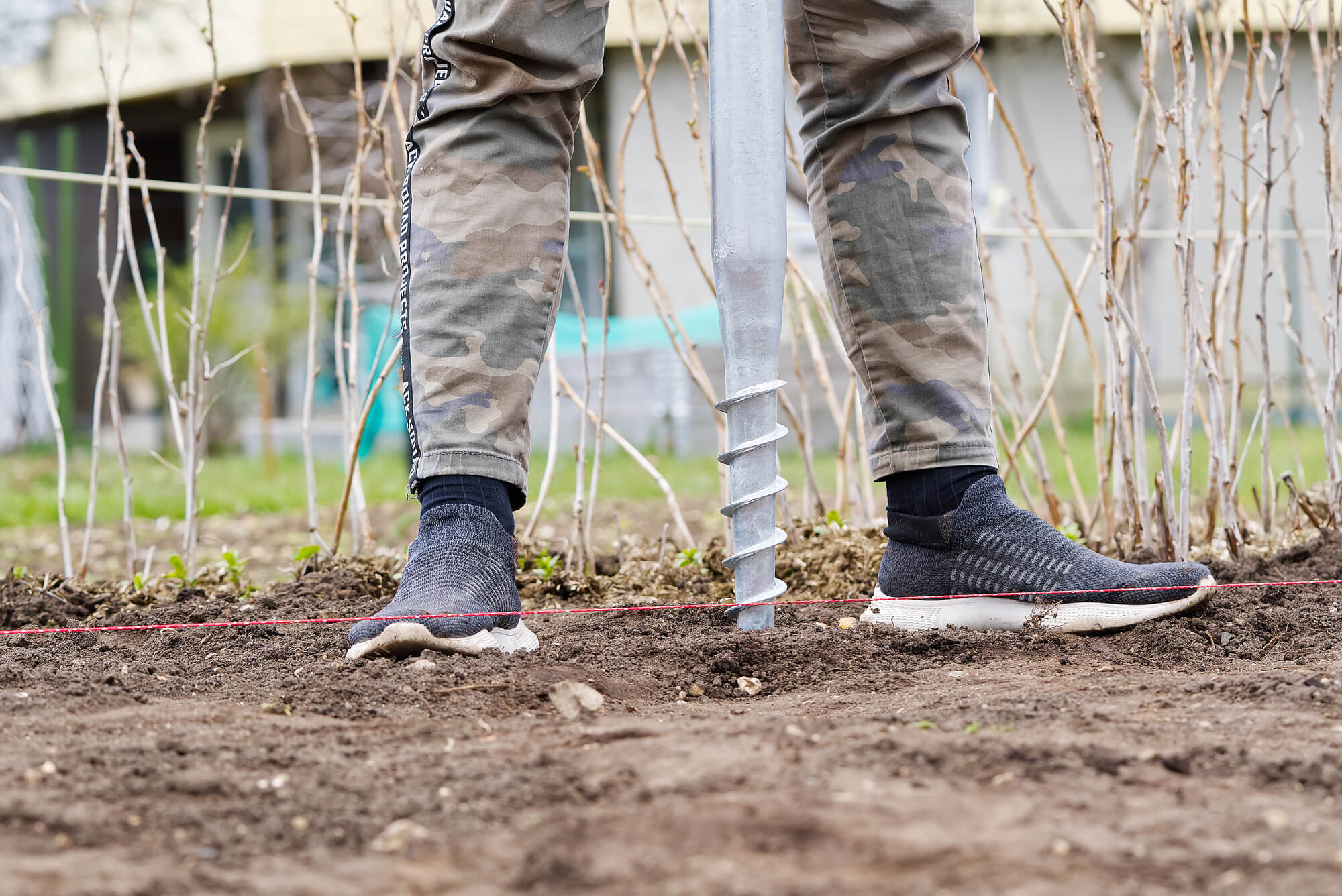
- How it works: Steel shafts with helical (screw-like) blades are rotated into the soil until reaching strong load-bearing resistance. Brackets connect to the foundation beam to allow precise lift.
- Benefits:
- Minimal vibration and soil disturbance.
- Excellent depth control and performance in mixed soils.
- Ideal for heavier or two-story homes.
- Considerations: Higher initial material and labor costs than concrete piers.
- Typical Texas cost: $2,000–$4,000 per pile (project totals $10,000–$25,000+).
- Disruption level: Low to moderate; limited excavation. Typically, no interior work is required, and homeowners can remain on-site.
- Lifespan: 75+ years; galvanized coatings resist corrosion and add longevity.
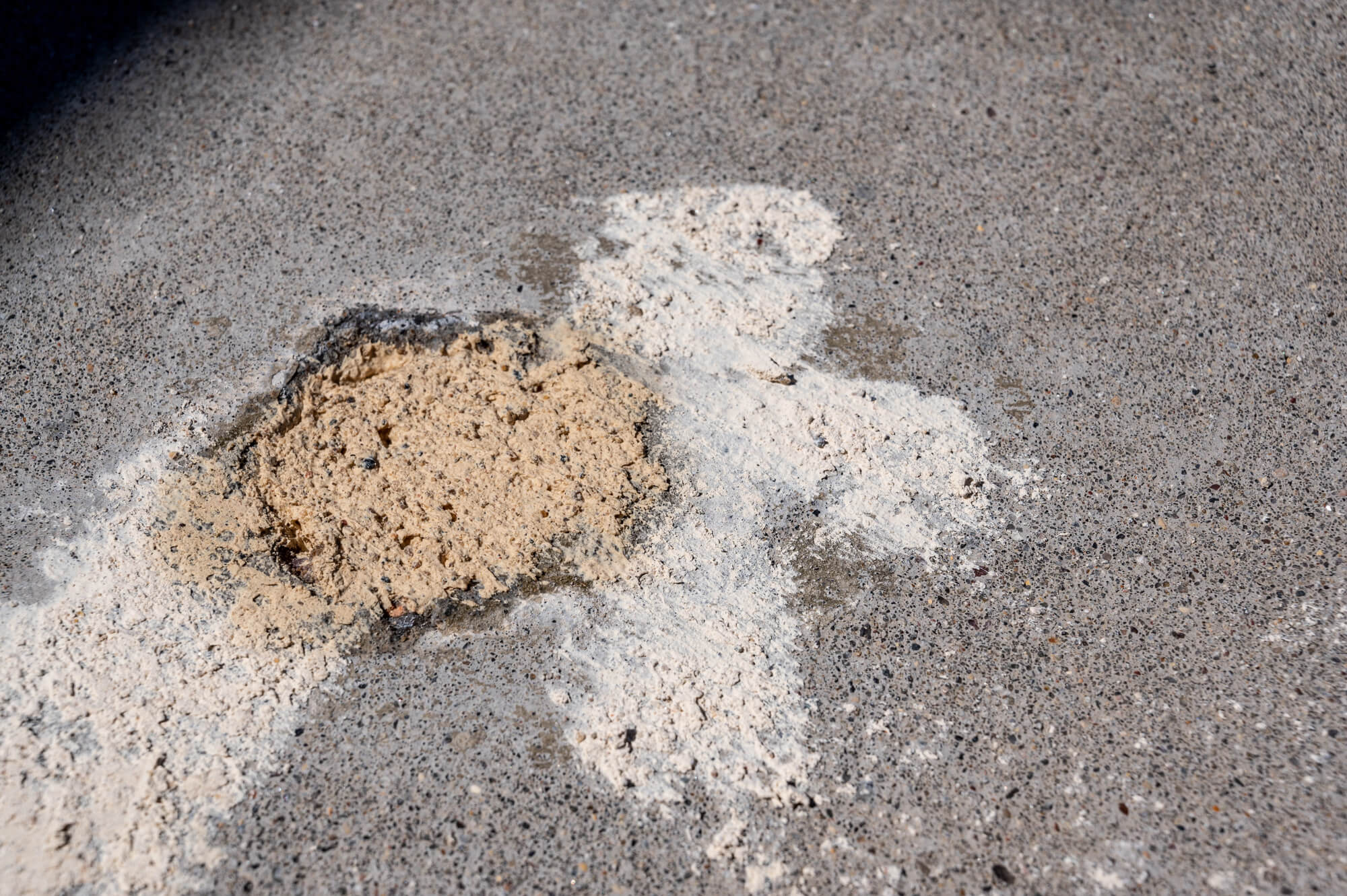
Polyurethane Foam Injection (Slabjacking)
-
- Best for: Lightly settled slabs, garages, interior floors, or patios needing gentle re-leveling.
- How it works: Expanding foam is injected through small holes drilled into the concrete slab. As the foam expands, it fills voids and lifts the surface back to grade.
- Benefits:
-
- Fast and non-invasive, as most jobs are completed in a few hours.
- No excavation, heavy machinery, or structural disruption.
- Surfaces are usable immediately after curing.
- Considerations: Designed for minor settlement, not deep foundation movement.
- Typical Texas cost: $5–$25 per square foot (projects typically $1,500–$5,000+).
Disruption level: Minimal; ideal for occupied homes or commercial spaces needing same-day use. - Lifespan: 5–15 years, depending on site moisture stability.
Underpinning & Hybrid Systems
-
- Best for: Older or complex homes with mixed foundations or limited access areas.
- How it works: Engineers design a custom combination of lifting methods — for example, helical piles for deeper edges, pressed piers for main loads, and polyurethane foam for interior stabilization.
- Benefits:
-
- Protects historic or delicate structures with targeted precision.
- Allows phased installation for budget or scheduling flexibility.
- Balances performance, aesthetics, and long-term reliability.
- Considerations: Requires advanced engineering and planning; more design time upfront.
- Typical Texas cost: $10,000–$40,000+, depending on complexity and structure type.
- Disruption level: Variable; depends on access and staging. Most homeowners remain in the home, with phased work scheduled for convenience.
- Lifespan: Engineered for long-term stability with tailored warranties.
Summary: Cost and Disruption Overview*
| Method | Typical Texas Cost (Installed) | Best Use | Disruption Level | Home Occupancy During Repair |
| Pressed Concrete Piers | $1,000–$3,000 per pier (avg. $6K–$20K+) | Slabs, moderate soils | Moderate (exterior trenching) | Usually livable |
| Helical Steel Piles | $2,000–$4,000 per pile (avg. $10K–$25K+) | Deep/variable soils | Low–moderate | Livable |
| Polyurethane Foam Injection | $5–$25 per sq. ft. (avg. $1.5K–$5K+) | Interior slabs, patios | Very low | Livable, same-day use |
| Underpinning / Hybrid Systems | $10K–$40K+ (custom designs) | Historic or complex homes | Variable | Livable (phased work) |
*The figures shown are average Texas market estimates (2024–2025) and may vary based on soil depth, home design, site access, and regional labor rates. Weather and permitting can also affect timelines and pricing. These numbers are for educational reference only, not a formal quote. Xpert Foundation Repair provides precise, data-driven estimates after a full on-site inspection.
Every home’s soil, structure, and stress pattern is unique, and so is the solution it requires.
Our Texas-certified technicians use laser-leveling equipment, load control systems, and verified lift data to ensure each project achieves lasting precision.
We’ll walk you through your options clearly — cost, disruption, and outcome — so you can make the most informed decision for your home’s stability and your family’s comfort.
At Xpert Foundation Repair, precision is the foundation of everything we build.
When the Condition Is Tough: Customized Solutions for Challenging Sites
Some Texas properties test the limits, including hillside lots, clay transitions, and legacy homes with undocumented repairs. In these cases, a one-size-fits-all solution won’t suffice.
We can also deploy hybrid methods:
- steel + concrete combinations
- staged lifting
- deeper footings
Many hybrid methods are used to match each foundation’s unique stress zones. We plan for ingress/egress constraints, seasonal soil behavior, and permit conditions. Your site gets a repair as unique as your home.
Cost, Warranty & Value: What You Should Demand
Money talk isn’t glamorous, but clarity is a must. A bid from a serious contractor should include:
- Soil and probe reports
- Elevation maps and photo proof
- Detailed scope, line-item by category
- Full disclosure of repair zones and exclusions
- Warranty length, coverage, and transferability
- Post-repair inspection and follow-up terms
A strong warranty distinguishes a quick fix from a lifelong solution. Ask:
- Does it include labor?
- Is it fully transferable?
- Are post-lift inspections part of it?
- Are terms explicitly written and not verbal?
Always demand transparency. At Xpert, every quote comes with full documentation and no hidden clauses or surprises.
Choosing a Partner: Trust, Credentials & Communication
A foundation team is more than labor—it’s your protection against risk.
- Verify Texas contractor and structural licenses
- Confirm insurance, bonding, and local credentials
- Look for BBB or credible local reviews
- Require engineering-led diagnostics
- Expect regular updates, before/after verification, permits filed, and a clean finish
We believe trust is earned. If your contractor skips soil testing, omits photographic logs, or refuses to explain terms — stop. You deserve more than a quick sale. You deserve certainty.
Your Next Best Move: Calling an Xpert
Your home shifts over time, and so does your foundation. Foundation movement from soil movement, poor drainage, poorly compacted soil, or expansive clay soils can turn minor cracks into serious structural issues. Acting early helps prevent uneven floors, visible gaps, sunken concrete, slab foundation settling, or further movement that leads to costly repairs. Our experienced professionals provide an accurate assessment using advanced techniques that protect long term stability and structural integrity.
We evaluate slab foundations, pier and beam foundations, crawl space structures, and concrete slabs to pinpoint foundation problems such as uneven foundation settlement, foundation damage, or significant settling beneath your living space or garage floors. Whether you’re dealing with a sunken concrete slab or lifting settled concrete around your property, we offer advanced foundation repair techniques designed to stabilize foundations and restore stability.
Modern solutions include polyurethane foam injection, slab jacking using a slurry mixture or grout mixture, concrete lifting, lifting settled concrete, lifting sunken concrete slabs, or lifting foundations with push piers, helical piers, steel shafts, or concrete piers. High density polyurethane foam expands through small holes beneath the slab to support load bearing capacity and stabilize soil beneath for a permanent solution. These advanced methods are more effective than traditional methods that don’t stop future settling or maintain the foundation’s stability.
If foundation issues stem from tree roots, soil composition changes, moisture levels, or poor construction, we design appropriate solutions that stabilize foundations and protect property value. Our drainage solutions also help maintain stable soil layers and prevent future settling.
Visit the Xpert Foundation Repair website to request a free, zero-obligation estimate. You’ll understand exactly what’s happening beneath your home and how advanced techniques lifting settled foundations can protect your entire structure.
Your foundation isn’t just a house foundation—it’s the future you depend on. Let’s reinforce it together.
Frequently Asked Questions
What factors affect the cost and timing of advanced foundation lifting projects?
Soil composition, moisture levels, and soil movement play major roles. Homes built on expansive clay soils, poorly compacted soil, or areas with poor drainage may require advanced techniques like helical piers, push piers, steel shafts, or polyurethane foam injection. Crawl space or pier and beam foundations may also affect access and scheduling.
What types of foundation settlement are hardest to diagnose without professional tools?
Uneven foundation settlement, sunken concrete slabs, foundation settling beneath a concrete slab, and hidden foundation issues under concrete slabs often go unnoticed. Minor cracks or uneven floors may hide significant foundation movement without expert diagnostics.
How can technology differentiate superficial problems from serious structural issues?
Advanced methods—such as elevation scans, soil condition testing, and high density polyurethane foam analysis—can determine if concrete slabs, crawl space supports, or beam foundations are experiencing structural issues or significant settling. These tools prevent costly repairs by identifying the real cause early.
Why do advanced lifting techniques outperform traditional foundation repair methods?
Advanced techniques lifting settled foundations—like slab jacking, polyurethane foam injection, helical piers, concrete piers, and lifting foundations—address both the soil beneath the structure and the structural damage. They restore stability, increase load bearing capacity, and reduce future settling far better than traditional methods.
How is foundation lifting scheduled to minimize disruption for residents or tenants?
Foundation lifting projects are phased to keep the home livable. Work zones are separated, allowing residents to remain in place while lifting sunken concrete slabs or stabilizing foundations. Scheduling takes weather, moisture levels, and soil conditions into account to ensure a cost effective and efficient project.